

Become Elite in Money Management!
Welcome to the Elite Club!
We want to help you set the stage for a smart, secure, and empowered financial future by providing resources in the world of money management and financial education.
- Savings and Checking Account
- Exclusive to young adults 18-23 – only young individuals qualify
- No monthly/annual fees
- Over 30,000 Free ATMs nationwide & Free ATM Fee reimbursements** – Easy access to your funds
- Start building credit with the low interest rate for a car loan
- Exclusive investment opportunities start as low as $500
- Access to Secure VISA credit card
- Deposit checks from anywhere at any time with free unlimited Remote Deposit Capture
- Free Billpay, Transfers^
- Free Debit Card – 24/7 access to your funds
**Up to $25 a month. You must submit the form during the month that you had ATM fees. Once accepted, your reimbursement will be deposited in your checking account on the 1st day of the next month.
^Overnight or rush fees may apply to funds transfers.
-
Not a member?
-

Have a question?
IAACU Blog
Don't Tap "Send" Too Fast: How to Spot and Avoid Mobile Payment App Scams
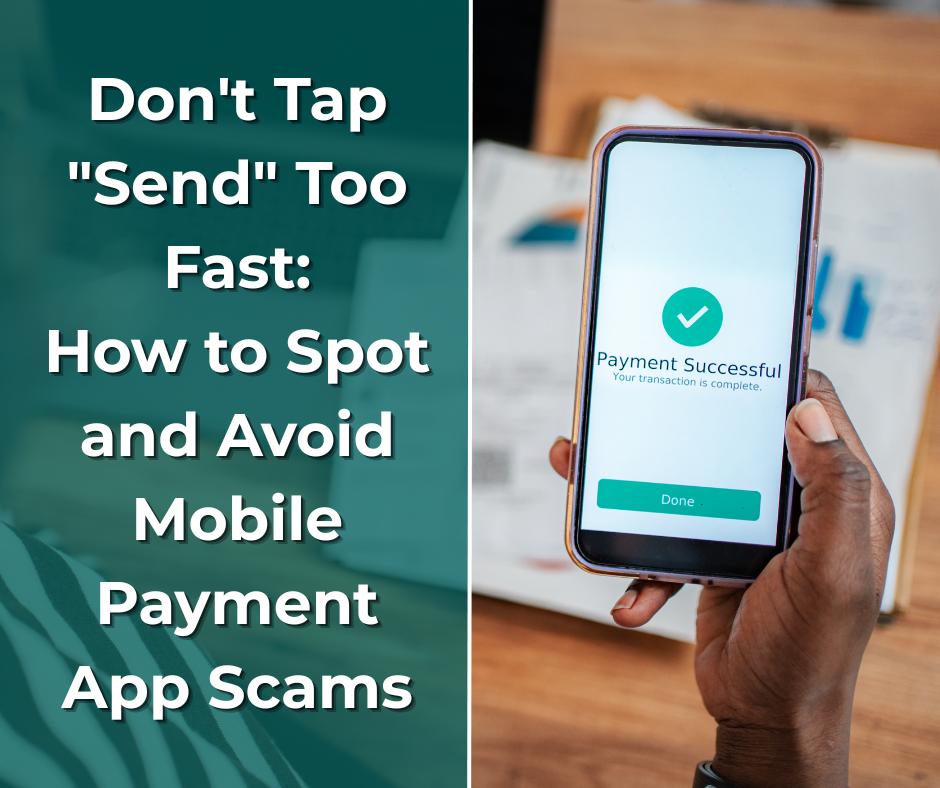
Taylor thought she was helping a friend.
Late on a Friday afternoon, she got a Venmo request from someone who looked just like her coworker, Sarah. The profile picture matched, the name was nearly identical, and the message was urgent: “Hey, I’m in a bind and need $200 for my car repair. Can you send it? I’ll pay you back Monday!”
Without thinking twice, Taylor sent the money.
On Monday, she mentioned it to Sarah in the office. That’s when her heart dropped. Sarah had never sent that request. A scammer had created a fake account using her name and photo, and Taylor’s $200 was gone for good.
Unfortunately, stories like Taylor’s are becoming more common as scammers take advantage of mobile payment apps like Cash App, Venmo, and others. These platforms are convenient, fast, and widely used. That also makes them a target.
Why Mobile Payment Scams Are So Effective
Mobile payment apps are designed for speed and ease. Once you send money, it is often difficult, if not impossible, to reverse the transaction. Scammers know this, which is why they create situations that push people to act quickly without verifying the details.
They rely on urgency, emotion, and trust.
Common Mobile Payment Scams to Watch For & How to Protect Yourself
Scammers use a variety of tactics, but some of the most common include:
“Emergency” Requests
You may get a message from someone pretending to be a friend or family member saying they are in trouble and need money right away. If someone you know asks for money out of the blue, contact them directly through another method to confirm it is really them.
Fake Prize or Sweepstakes Wins
You are told you have won a prize but must pay a fee to claim it. Once you send the money, the prize never appears. Never send money to claim a prize or sweepstakes winnings. Legitimate prizes do not require upfront fees.
Lookalike Accounts
Scammers create profiles that mimic someone you know, using similar names and photos to trick you. Double-check recipient details before sending money.
Account Takeovers
If a scammer gets access to someone’s account, they can send requests that appear legitimate.
Warning Signs of a Scam
If you use mobile payment apps, keep an eye out for these red flags:
- Unexpected requests for money, even if they appear to come from someone you know
- Urgent messages that pressure you to act quickly
- Requests tied to prizes, sweepstakes, or "free" money
- Instructions to send money to someone you have never met
- Messages that seem slightly off, such as unusual wording or tone
When something feels rushed or unusual, it's worth taking a second look.
What To Do If You've Been Scammed
If you think you have sent money to a scammer, act quickly:
1. Contact the Payment App Immediately
Report the transaction through the app’s support system. While refunds are not guaranteed, reporting it right away gives you the best chance.
2. Notify Your Financial Institution
Let your credit union or bank know what happened. They can help guide you on next steps and monitor your account for suspicious activity.
3. Secure Your Account
Change your passwords and enable multi-factor authentication if you have not already.
4. Stay Alert for Follow-Up Scams
Be cautious if someone contacts you offering to recover your money for a fee. That is often another scam.
Mobile payment apps are a great tool for splitting a bill, paying a friend, or sending money to family. But they are safest when used with people you know and trust. If you are ever unsure, pause before you pay. Taking a moment to verify could save you from losing money.
Information originally posted by the FTC, adapted by IAA Credit Union.
